


Blog
Steel Toe vs. Composite Toe Safety Shoes: What is the Difference?

You are likely to come across two popular options, steel toe and composite toe when shopping for safety shoes. Both are designed to meet workplace safety standards and protect your feet from impact, compression, and other hazards. However, they differ in materials, weight, comfort, and suitability for specific work environments.
In this article, we will explore steel toe vs composite toe safety shoes, compare them in terms of features as well as pros and cons, so you can better understand which type might fit your job’s requirements.
- Steel Toe vs. Composite Toe Safety Shoes: What is the Difference?
Understanding Toe Protection in Safety Shoes
Protective toe caps are a core feature of safety shoes, required in many industries under Singapore’s Ministry of Manpower (MOM) workplace safety regulations.
The toe cap is built into the front of the shoe to shield your toes from:
- Falling objects
- Compression injuries from heavy loads
- Accidental knocks against hard surfaces
Both steel and composite toes must meet EN ISO 20345 or equivalent safety standards to ensure adequate protection.
What is a Steel Toe Safety Shoe?
Steel toe safety shoes feature a toe cap made of heavy-duty steel. They are engineered to withstand high levels of impact and compression.
Steel toe shoes are built for environments where maximum foot protection is essential, such as construction sites, shipyards, heavy manufacturing plants, and warehouses. The steel cap is securely embedded within the shoe’s structure, often combined with slip-resistant soles, waterproof uppers, and reinforced stitching for long-term wear.
|
Pros |
Cons |
|
|---|---|---|
|
Offers highest impact & compression resistance |
Heavier compared to composite toe safety shoes |
|
|
Very durable & long-lasting |
Conducts heat & cold, less ideal for extreme temperatures |
|
|
Generally more affordable |
Triggers metal detectors |
|
|
Suitable for heavy-duty environments |
May feel rigid after long hours |
|
What is a Composite Toe Safety Shoe?
A composite toe safety shoe features a protective cap made from non-metal materials such as fiberglass, carbon fiber, Kevlar, or reinforced plastic. These materials are engineered to provide strong impact resistance while keeping the shoe lightweight and comfortable.
Composite toe shoes are ideal for workers who spend long hours on their feet or work in environments where metal detectors are present, such as airports, security facilities, and some logistics hubs. They are also suitable for electrical work, as the non-metal construction does not conduct electricity.
|
Pros |
Cons |
|
|---|---|---|
|
Lighter than steel toe shoes, reducing fatigue |
Slightly less impact resistance than steel toe shoes |
|
|
Non-conductive; Safe for electricians and work near live circuits |
Generally more expensive |
|
|
Does not trigger metal detectors |
May wear down faster in high-impact environments |
|
|
More comfortable for extended wear |
||
Steel Toe vs. Composite Toe: A Detailed Comparison
Beyond the basic features, steel toe and composite toe safety shoes have distinct differences in materials, build, protection levels, and temperature handling. Understanding these details can help you see how each type performs in real-world work conditions.
Material
Steel toe safety shoes use hardened steel alloy for the toe cap, giving them exceptional strength and durability. This dense metal construction provides maximum resistance against crushing and impact forces.
In contrast, composite toe shoes are made from non-metal materials such as fiberglass, carbon fiber, Kevlar, or reinforced plastic. These materials are engineered to deliver strong protection while keeping the shoe lightweight and comfortable.
Composition
In a steel toe shoe, the protective cap is a single solid piece of steel integrated into the toe box. This adds structural strength but also increases the shoe’s overall weight.
Composite toe caps, on the other hand, are typically made from multiple layers of composite material. This layered design distributes force while minimising weight, making them a popular choice for those who are on their feet all day.
Safety and Protection Levels
Both steel and composite toe safety shoes meet strict international safety standards (EN ISO 20345), ensuring they can handle significant impact and compression.
Steel toe shoes generally offer the highest level of protection, making them ideal for environments where heavy falling objects are a common risk.
Composite toe shoes provide excellent safety performance but may offer slightly less resistance in extreme load situations.
Temperature Resistance
Steel is a thermal conductor, meaning it can become hot in high temperatures and cold in low temperatures, which may affect comfort in extreme climates.
Composite materials are non-conductive, making them more comfortable in both hot and cold environments.
Which Pair is Suitable for Your Work Environment?
Both steel toe and composite toe safety shoes are designed to meet strict international safety standards, ensuring reliable protection against impact and compression. However, not every work environment is the same — and that means the best choice can vary depending on where and how you work.
Below, we will break down these considerations to help you understand which option may be more suitable for your daily work environment.
Workplace Hazards
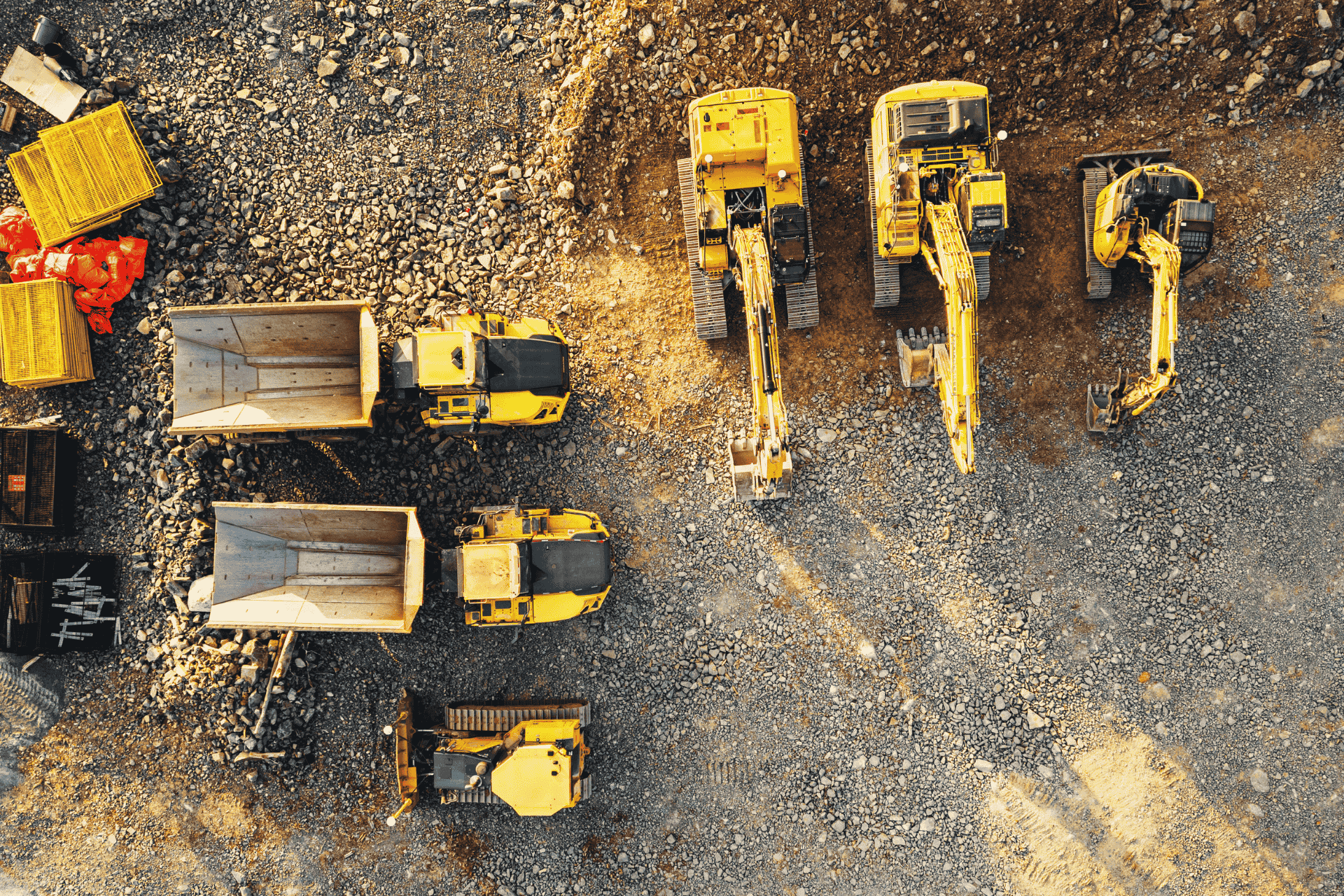
If you are in an environment where there is a high risk of heavy falling objects, such as construction sites, shipyards, or factories with heavy machinery, steel toe shoes are often preferred for their unmatched strength.
For electricians or those exposed to electrical risks, composite toe shoes are safer since they are non-conductive.

Work Conditions
Steel toe shoes may feel heavy and conduct heat or cold, which can be uncomfortable in extreme weather.
Composite toe shoes are more suitable for those who spend long hours on their feet or work both indoors and outdoors in varying conditions.

Security Requirements
For jobs that require passing through metal detectors frequently, such as at airports, logistics hubs, or high-security facilities, composite toe shoes are the better option since they will not trigger alarms.
Range of Safety Jogger Shoes in Singapore
Beyond protection, Safety Jogger footwear is built with comfort and durability in mind. Many popular models come with enhanced features that make a real difference during long shifts, including:
- Slip-resistant soles to keep you stable and safe on wet, oily, or uneven surfaces.
- Waterproof materials that provide reliable protection during outdoor work, even in unpredictable weather.
- Breathable fabrics designed to keep your feet cool and dry in Singapore’s humid climate.
- Ergonomic cushioning that supports your feet and reduces fatigue, making long hours on site more comfortable.
Explore our full collection of Safety Shoes in Singapore and choose a pair that fits your industry needs while keeping you comfortable throughout the day.
Conclusion
When comparing steel toe vs. composite toe safety shoes, it is clear that both offer reliable protection and meet international safety standards, but each type comes with its own strengths. Steel toe shoes provide unmatched durability and maximum impact resistance, making them ideal for heavy-duty industries. Composite toe shoes, on the other hand, deliver lightweight comfort and non-conductive properties, making them better suited for environments with long hours of wear, temperature extremes, or frequent security checks.
The right choice ultimately depends on your workplace conditions, safety requirements, and personal comfort preferences. What matters most is selecting footwear that not only meets regulatory standards but also supports you throughout your workday.